Health and Safety Policy for Carpet Cleaners W12
 This health and safety policy sets out the standards expected from carpet cleaners in W12 when carrying out professional cleaning work in homes, offices, and shared premises. The aim is to protect staff, clients, visitors, and property by reducing risks linked to equipment, cleaning agents, manual handling, slips, electrical use, and working around vulnerable areas. A safe working environment is essential for effective carpet cleaning, and it supports consistent service delivery as well as responsible business practice.
All personnel must understand that carpet cleaning safety begins before any job starts. Every task should be assessed for hazards such as wet flooring, blocked access, poor ventilation, fragile furnishings, or hidden obstructions. A careful approach helps prevent accidents and ensures that cleaning methods are suitable for the material, the environment, and the condition of the carpet. The policy applies to all employees, subcontractors, and temporary workers involved in any stage of the service.
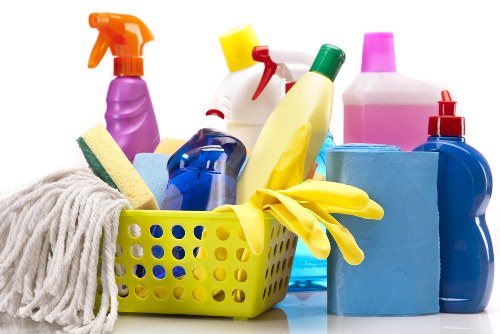 Risk management is a core part of the way carpet cleaners W12 operate. Team members should follow safe systems of work, use equipment correctly, and remain alert to changing conditions during the job. Where necessary, cleaning areas should be isolated to keep others away from wet surfaces and operating machinery. Clear communication, tidy work areas, and correct handling of tools all contribute to safer and more efficient outcomes.
Managers and operatives must ensure that only suitable products are used for each carpet type. Chemical cleaners should be selected, stored, and applied in line with manufacturer instructions and internal procedures. Protective gloves, footwear, and other personal protective equipment should be worn when required. All staff must also be aware of the importance of ventilation, especially when working with solutions that may create fumes or leave residues that could affect indoor air quality.
Carpet cleaning operatives must take care when moving equipment and furniture. Lifting should be carried out using correct technique to reduce the risk of strain or injury. If an item is too heavy, awkward, or unstable, help should be requested rather than forcing the movement. Manual handling risks are common in this type of work, so planning each task properly is vital. Staff should avoid rushing, twisting their bodies, or carrying items in a way that compromises balance.
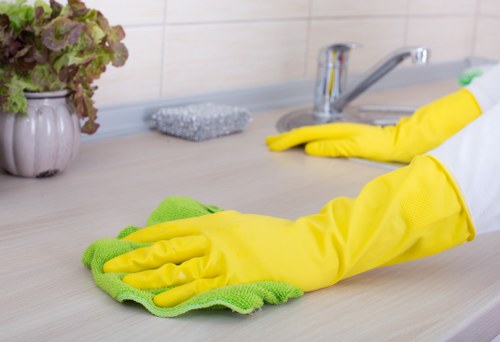 Electrical safety is equally important. Machines, cables, plugs, and extension leads should be checked before use for damage, wear, or signs of malfunction. Any defective item must be removed from service immediately and reported through the appropriate process. Water and electricity must be kept apart at all times, and equipment should only be used in accordance with training and instructions. This helps prevent shocks, short circuits, and avoidable interruptions to the cleaning process.
The policy also covers slips, trips, and falls, which are among the most common hazards in professional carpet cleaning. Wet carpets, trailing hoses, and uneven surfaces can create dangerous conditions if not managed properly. Warning signs, good housekeeping, and careful movement through the work area are essential. Surfaces should be dried or controlled as soon as possible, and access routes should remain as clear as practical throughout the job.
Attention must be given to the welfare of clients and other occupants while work is underway. Children, pets, and people with mobility limitations should be kept away from cleaning zones where there is potential for harm. If a building contains sensitive surfaces, valuable items, or restricted areas, these must be respected and protected. Carpet cleaners should always work with professionalism, courtesy, and awareness of the surroundings.
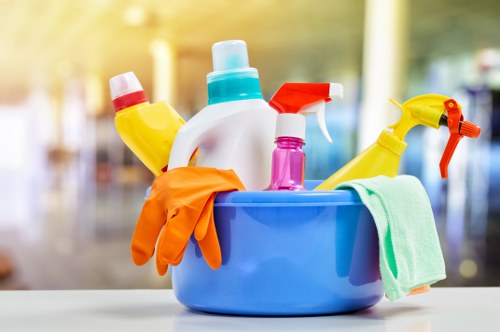 Training and supervision are key parts of maintaining a strong health and safety policy. Every worker should receive instruction on safe cleaning practices, equipment use, emergency procedures, product handling, and reporting responsibilities. Refresher training should be provided whenever work methods change or when new risks are identified. Supervisors are expected to monitor compliance and address unsafe behaviour promptly.
In the event of an accident, spill, near miss, or equipment failure, staff must stop work if necessary and act in line with emergency procedures. Incidents should be reported quickly so they can be recorded, investigated, and used to improve future practice. First aid provision should be available where needed, and workers should know the correct response to burns, slips, exposure, or contamination. Prompt action can reduce harm and support recovery.
Environmental responsibility is also included within the policy. Carpet cleaning services should aim to minimise waste, use products efficiently, and dispose of packaging or contaminated materials safely. Where possible, water usage should be controlled and cleaning methods chosen to reduce unnecessary environmental impact. Responsible working practices support both safety and sustainability while maintaining a high standard of service.
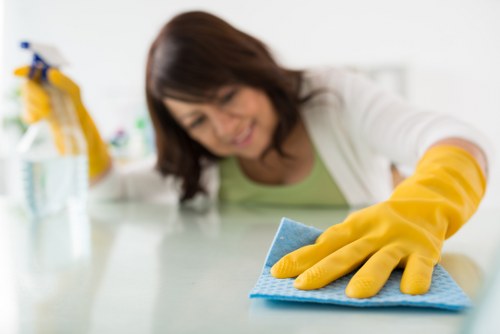 This policy is reviewed regularly to ensure it remains effective, practical, and aligned with current working conditions. Updates may be made when new equipment is introduced, when risks change, or when an incident suggests improvement is needed. By following these standards, W12 carpet cleaners can deliver safe, reliable, and professional results while protecting everyone involved in the work.