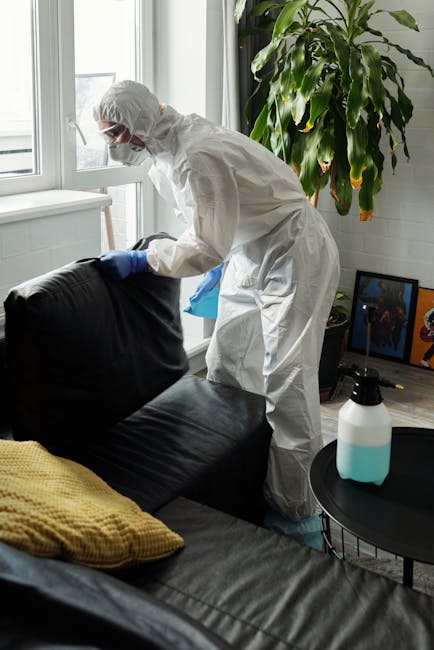
Goldhawk Road Upholstery Cleaning Shepherds Bush Stain Rescue
If a sofa arm has taken one coffee spill too many, or a dining chair in Shepherds Bush now looks a little more "lived in" than lovely, you are in the right place. Goldhawk Road upholstery cleaning Shepherds Bush stain rescue is really about one thing: getting fabric furniture back to a clean, comfortable, usable condition without making the stain worse. That sounds simple enough, but to be fair, upholstery can be fussy. One wrong product, one over-wet patch, and a small mark becomes a bigger headache.
This guide walks through what stain rescue means in practice, how professional upholstery cleaning works, what to watch out for on different fabrics, and how to make a sensible decision if you need help quickly. It is written for real homes, busy flats, rental properties, and local businesses around Goldhawk Road and Shepherd's Bush. If you are trying to decide whether to blot, wait, book, or replace, let's sort that out properly.
Why Goldhawk Road upholstery cleaning Shepherds Bush stain rescue Matters
Upholstery holds onto far more than people expect. Oils from skin, dust, drink spills, pet marks, and everyday wear all settle into the fibres. In a high-traffic home near Goldhawk Road, that buildup can make a sofa look flat and patchy long before it is actually worn out. And if the item is in a rental, shared house, or customer-facing space, appearances matter even more.
Stain rescue matters because time is usually not on your side. Fresh stains can spread, oxidise, or bond with the fabric backing. Dried stains often need a different approach altogether. A tea mark on a cotton blend, for example, is a very different job from an ink blemish on synthetic upholstery. Same furniture, different problem. Simple as that, really.
There is also a comfort angle. Clean upholstery feels better to sit on, smells fresher, and can make the whole room feel more cared for. If you already use services like sofa cleaning or broader upholstery cleaning, you will know the difference a proper treatment makes. The room does not just look cleaner; it feels calmer.
Expert summary: the best stain rescue is rarely about scrubbing harder. It is about identifying the fabric, testing the right method, and removing as much of the spill as possible without pushing it deeper.
For landlords, letting agents, and tenants, stain rescue also helps avoid unnecessary replacement costs. For businesses, it can protect a waiting area, office lounge, or reception seating from looking tired. That is why a targeted local approach matters. It saves time, protects fabric, and often saves money too.
How Goldhawk Road upholstery cleaning Shepherds Bush stain rescue Works
Professional upholstery stain rescue is not a one-step process. A careful cleaner will usually start with inspection, then choose the cleaning path based on fabric type, stain source, and how long the mark has been there. That first assessment is the bit many people skip at home, and it is where a lot of damage happens.
Here is the general flow. First, the cleaner identifies the upholstery material. Cotton, linen, wool mixes, velvet, synthetic fibres, leather-look materials, and suede-style fabrics all behave differently. Then they check for colourfastness, which means whether the dye is stable when moisture or cleaning solution is applied. After that, the stain itself is assessed. Food, drink, body oils, mud, pet accidents, dye transfer, and ink each need different treatment. No guessing. Well, not if you want a good result.
Once the material is understood, the cleaner may vacuum, pre-treat, agitate gently, and use controlled extraction or low-moisture cleaning. For some furniture, a steam-based approach may be appropriate; for others, minimal moisture is safer. If odour is part of the problem, especially with pet accidents, a specialist approach like pet stain odour removal may be the better fit.
In a typical Shepherds Bush flat, the process often needs to balance speed with caution. Furniture may have limited access, stairs, narrow hallways, or fragile surroundings. That is one reason local experience helps. A cleaner who is used to real London homes understands that moving one heavy sofa is not always a casual five-minute job.
When the stain is stubborn, a second stage may be needed. This can include spot treatment, a deeper fibre rinse, or a targeted stain removal step. The aim is not just to make the mark lighter. The aim is to leave the upholstery safe, balanced, and looking natural rather than over-processed.
Key Benefits and Practical Advantages
The most obvious benefit is visual. Stains disappear, or at least become far less noticeable. But the real value goes deeper than that.
- Better appearance: clean upholstery lifts the whole room and stops one ugly patch from dominating the space.
- Longer furniture life: proper cleaning can reduce residue that weakens fibres over time.
- Improved hygiene: upholstery can hold dust, body oils, crumbs, and allergens.
- Odour control: many stains carry smell as well as colour, especially drinks, food, and pet-related marks.
- Rental readiness: useful before inventory checks, move-outs, or new tenants.
- Cost avoidance: treating a stain early is usually cheaper than replacing a sofa or armchair.
There is a practical advantage that people sometimes underestimate: confidence. When a lounge looks cared for, you relax more in it. You stop avoiding the "bad spot" on the cushion. It sounds small, but it changes how you use your home.
For commercial settings, clean upholstery also supports brand impression. A reception bench or waiting room chair quietly tells visitors whether the place is well run. Bit unfair, maybe, because people judge fast. But they do.
If the issue sits alongside a bigger clean-up, it may make sense to combine services. For example, a deep refresh can be paired with deep cleaning in a home that needs more than one surface improved, or with domestic cleaning if the furniture problem is only one part of a bigger tidy-up.
Who This Is For and When It Makes Sense
This kind of cleaning makes sense for anyone dealing with visible upholstery marks, odd smells, or general dullness. But the timing matters.
It is especially useful for:
- homeowners who want to rescue a favourite sofa instead of replacing it
- tenants hoping to present a property well before check-out
- landlords preparing a flat between occupiers
- families with children, pets, or frequent spills
- office managers looking after waiting areas or breakout seating
- hosts who need a property to look fresh for guests, including Airbnb cleaning scenarios
It also makes sense when the fabric still has life in it. If the frame is sound, the stuffing is fine, and the material has not degraded badly, professional stain rescue can be a very sensible middle ground between "live with it" and "buy new".
If you are in the middle of moving, a targeted upholstery treatment can fit neatly alongside move-in cleaning or move-out cleaning. That tends to be a busy time, so anything that saves decision fatigue is welcome.
Sometimes, though, the item is simply too far gone. A stain that has chemically altered the fabric, a badly faded patch, or deep structural wear may not be fully reversible. A good cleaner should say so plainly. That honesty matters more than promising miracles.
Step-by-Step Guidance
If you have spilled something and want the best chance of rescue, move calmly. Not fast, not panicked. Calm wins here.
- Blot first, don't rub. Use a clean white cloth or paper towel and press gently from the outside of the stain inward. Rubbing spreads the mark and frays fibres. Classic mistake.
- Check the fabric label if visible. Any care code or manufacturer note is worth respecting. If you are unsure, stop and treat it as delicate.
- Lift loose debris. Food particles, mud, or pet hair should be removed before any liquid is added.
- Test a tiny hidden spot. This is boring but essential. A small hidden patch can tell you whether a cleaner is safe.
- Use very small amounts of solution. Over-wetting can leave rings, slow drying, or push stain into the padding.
- Treat the source, not just the surface. If the spill has soaked through, the backing and cushion may need attention too.
- Dry properly. Air movement helps. Open windows if suitable and keep the area ventilated.
- Reassess after drying. Some stains look better while damp, then reappear later. Annoying, but common.
If the stain is stubborn or the fabric is delicate, it is usually wiser to stop before experimenting. Many people do the opposite, understandably, and the result is a bigger patch of water damage or colour loss. If the situation is delicate, booking one-off cleaning support can be a sensible next step when the furniture issue is part of a broader refresh.
One practical note: if the stain came from a drink like red wine, coffee, or juice, time is crucial. If it came from grease, the challenge is different. Grease tends to cling. Water alone won't help much. That is why a broad "just dab it" approach often disappoints.
Expert Tips for Better Results
A few small habits make a huge difference to upholstery outcomes. Nothing dramatic. Just solid practice.
- Act early: the first hour is usually kinder than the next day.
- Use white cloths: coloured towels can transfer dye, which is not the plot twist you want.
- Work gently: upholstery is not a frying pan. It does not need aggressive scrubbing.
- Ventilate the room: quicker drying reduces odour and water marks.
- Keep pets off the area: at least until it is fully dry.
- Avoid random household cleaners: especially bleach, strong detergents, or anything abrasive.
In our experience, the better the prep, the better the result. Even a professional job goes more smoothly when loose dirt has been removed and the stain has not been rubbed in six different directions. You know how it is.
If your furniture is matching with curtains, rugs, or cushions, it may be worth thinking about the whole room rather than the single mark. A refreshed sofa can look even better when the rest of the soft furnishings are clean too, which is why some people pair upholstery work with curtain cleaning or rug cleaning.
A small but useful tip: photograph the stain before and after. Not for social media. Just for your own reference, especially if you are handling a rental, insurance claim, or inventory discussion. It keeps everyone on the same page.
Common Mistakes to Avoid
Most upholstery damage from stains does not come from the stain itself. It comes from the rescue attempt. A bit brutal, but true.
- Scrubbing hard: this can distort pile, spread dye, and leave a rough patch.
- Using too much water: moisture can sink into padding and create rings or lingering smells.
- Skipping a test patch: one tiny unseen spot can save the entire piece.
- Mixing cleaners: this is risky and can create unwanted chemical reactions.
- Ignoring drying time: a damp cushion can look clean and still go wrong later.
- Assuming every stain is the same: a milk mark, ink mark, and pet stain are completely different problems.
Another mistake is waiting too long because the stain is "not that bad." Then, a week later, it has set, the smell has settled, and the whole job becomes harder. If you are on the fence, at least get advice early. That alone can save the piece.
And yes, there is such a thing as trying too many fixes in one evening. We have all had that moment where the fifth idea seems clever at 9:40 pm and absolutely not clever by 10:15. Best to stop, breathe, and reset.
Tools, Resources and Recommendations
You do not need a cupboard full of fancy products to handle a simple spill. For basic first aid on upholstery, keep the following nearby:
- clean white microfibre cloths
- paper towels for initial blotting
- a soft brush for dry debris
- a handheld vacuum with an upholstery attachment
- a bowl for clean water if light dilution is needed
- a fan or good ventilation for drying
If you are dealing with pet-related incidents, odour is often the hidden part of the issue. That is where pet stain odour removal can be a better fit than a standard surface clean. For general home refreshes, you may also find house cleaning helpful when the upholstery issue sits alongside dust, clutter, or everyday buildup.
When choosing a service provider, look for clear explanations, sensible caution about fabric types, and straightforward pricing information. A good sign is when the conversation is more about what is suitable than what is possible. That is usually the honest one.
If you need related cleaning work around the property, it can also help to review options like carpet cleaning, steam carpet cleaning, and regular cleaning so the whole space feels coordinated rather than half-rescued.
Law, Compliance, Standards, or Best Practice
For domestic upholstery cleaning, there is usually no dramatic legal complexity, but there are still sensible standards to follow. The main ones are about safety, honest treatment of fabrics, and respecting property. That means using suitable products, following care instructions where available, and avoiding unnecessary risk.
In the UK, reputable cleaning work should be backed by proper insurance and safe working practices. If a cleaner is moving furniture, using moisture, or working in a customer's home or premises, they should take precautions to avoid damage and injury. It is fair to ask about that. In fact, you should.
Good practice also means being clear about expectations. A stain can often be reduced dramatically, but complete removal is not always possible, especially if the mark has chemically changed the fibres, set under heat, or caused dye transfer. Any trustworthy provider should explain that carefully rather than making blanket promises.
For business premises, shared buildings, and rental properties, record-keeping matters too. If upholstery work is done as part of commercial cleaning or communal area cleaning, it helps to keep notes on what was treated, which products were used, and any visible pre-existing issues. That is just good practice, and it avoids awkward conversations later.
You may also want to review site policies if a contractor is entering your property. Pages such as health and safety policy, insurance and safety, terms and conditions, and payment and security can give useful reassurance before you book.
Options, Methods, or Comparison Table
Different upholstery problems call for different approaches. Here is a simple comparison to help you judge what is likely to suit your situation.
| Method | Best for | Strengths | Limitations |
|---|---|---|---|
| Blotting and careful spot treatment | Fresh spills and small marks | Fast, low-cost, useful as first aid | Often not enough for set stains or odours |
| Low-moisture upholstery cleaning | Delicate fabrics and lightly soiled furniture | Less drying time, lower water risk | May not reach deep contamination |
| Steam or hot-water extraction | Synthetic upholstery and deeper soil | Strong overall refresh, good soil removal | Not suitable for every fabric |
| Targeted stain rescue treatment | Specific marks like tea, wine, food, or pet stains | Focused, efficient, tailored to the source | Results depend on fabric and stain age |
| Full room refresh with additional cleaning | Homes needing a broader tidy-up | Good for move-outs, guests, or seasonal resets | Takes more planning and budget |
If the issue is part of a larger property reset, people often combine upholstery work with end of tenancy cleaning, move-in cleaning, or even after builders cleaning when the space has had recent work done and dust has settled on everything, including the sofa nobody covered properly.
Case Study or Real-World Example
A fairly typical Shepherds Bush situation goes like this. A cream fabric sofa in a compact flat near Goldhawk Road picks up a mix of coffee splashes, a faint food mark on one cushion, and a dark line where a school bag has rubbed the arm. Nothing dramatic on its own, but together it makes the sofa look older than it is.
The first step is inspection. The cleaner checks the fabric feel, colour stability, and stain type. The coffee mark is older and slightly oxidised. The bag rub is probably a transfer mark, which is often easier than it looks. The cushion food mark sits deeper, so it needs a careful pre-treatment rather than a quick wipe.
After vacuuming and a test patch, the cleaner treats each mark separately. The coffee area gets a mild targeted treatment, the rub mark gets gentle fibre work, and the cushion stain is lifted using a controlled approach that avoids soaking the filling. The room is then ventilated to help drying. Not glamorous, but effective.
By the end, the sofa is not "brand new" in a magical fairy-tale sense. Let's not overdo it. But the marks are reduced enough that the room feels calm again, and the owner does not feel embarrassed when guests arrive. That is the real win.
This is why a thoughtful local clean often beats a harsh DIY attempt. Different marks, different tools, different timing. Once you see that, the whole job makes more sense.
Practical Checklist
Use this quick checklist before you start or book help:
- Identify the stain source if you can.
- Check whether the fabric is delicate, synthetic, or unknown.
- Blot gently with a clean white cloth.
- Avoid scrubbing, bleaching, or over-wetting.
- Test any product in a hidden area first.
- Make sure the room can dry properly.
- Note any odour, dye transfer, or cushion saturation.
- Decide whether the furniture needs a local spot rescue or a fuller refresh.
- Ask about insurance, treatment methods, and fabric suitability.
- Keep a record if the item is part of a tenancy, business, or inventory check.
If you want the best odds, keep the process simple and avoid improvising too much. Upholstery rewards patience. A surprising amount, actually.
Get a free quote today and see how much you can save.
Conclusion
Goldhawk Road upholstery cleaning Shepherds Bush stain rescue is not just about making one mark disappear. It is about protecting fabric, restoring comfort, and giving a room back its sense of order. Whether you are tackling a fresh spill, a stubborn set-in stain, or an odour that has quietly hung around too long, the right method makes all the difference.
The main thing to remember is this: the sooner you act, the better the outcome usually is. Be careful with products, respect the fabric, and do not be afraid to ask for help if the stain is beyond a simple fix. There is real value in getting it done properly the first time.
And if you are weighing up whether to rescue or replace, start with the rescue. More often than not, there is more life left in the furniture than you think.
Frequently Asked Questions
What does upholstery stain rescue actually mean?
It means treating a specific stain in a careful, targeted way rather than doing a general clean. The goal is to lift or reduce the mark without damaging the fabric, spreading the stain, or leaving water rings behind.
Can every stain be removed from a sofa or chair?
No. Some stains can be greatly improved, while others may have permanently altered the fibres or dye. A good cleaner will explain the likely outcome honestly before starting.
Should I scrub a fresh upholstery stain right away?
Usually not. Blotting is better than scrubbing. Scrubbing can push the stain deeper and rough up the fabric surface, which makes the problem harder to solve.
Is steam cleaning safe for all upholstery?
No, not all fabrics suit steam or hot-water methods. Some materials need low-moisture treatment or very careful spot work. Fabric type matters a lot more than many people expect.
How long does upholstery take to dry after stain treatment?
Drying time depends on the fabric, method used, room ventilation, and how much moisture was needed. Good airflow helps, but it is best to keep using the furniture only when it is fully dry.
What if the stain smells as well as looks bad?
Odour usually means the spill has gone deeper than the surface. In that case, a normal surface wipe may not be enough, and a more targeted treatment such as pet stain odour removal may be appropriate.
Can I use a supermarket cleaner on upholstery?
Sometimes, but it is risky if you do not know the fabric or the product chemistry. Always test in a hidden place first, and avoid using anything harsh, bleached, or abrasive.
Is upholstery stain rescue worth it on older furniture?
Often yes, if the frame and fabric are still in decent condition. Older furniture can look dramatically better after treatment, especially if the stain is the main thing making it look tired.
What is the difference between upholstery cleaning and stain removal?
Upholstery cleaning is the broader process of refreshing the whole item, while stain removal focuses on a specific visible mark. In practice, the two often work together.
How do I know whether to book cleaning or replace the furniture?
Consider the age of the item, the fabric condition, the severity of the stain, and whether the frame is still sound. If the piece is structurally fine, cleaning is usually worth trying first.
Can stain rescue help before a tenancy inspection or move-out?
Yes, very often. It can improve presentation and reduce visible wear. For broader preparation, services like end of tenancy cleaning or move-out cleaning can help alongside the upholstery work.
What should I ask before booking a cleaner for upholstery?
Ask about fabric suitability, stain treatment methods, drying expectations, insurance, and whether the cleaner is clear about what can and cannot be achieved. Clear answers are a good sign.
Do I need a full house clean if only one sofa is stained?
Not necessarily. A focused treatment may be enough. But if the property also needs dusting, tidying, or general refresh work, pairing the job with domestic cleaning or house cleaning can make sense.
Is local upholstery cleaning in Shepherds Bush useful for commercial spaces too?
Yes. Offices, waiting rooms, and shared spaces can all benefit from targeted stain rescue, especially where presentation affects customer confidence. That is where commercial cleaning and office cleaning often overlap with furniture care.
What is the best first move after spilling something on upholstery?
Blot gently, do not rub, and avoid adding too much liquid. Then assess the fabric and decide whether a simple spot treatment is enough or whether the item needs professional attention.